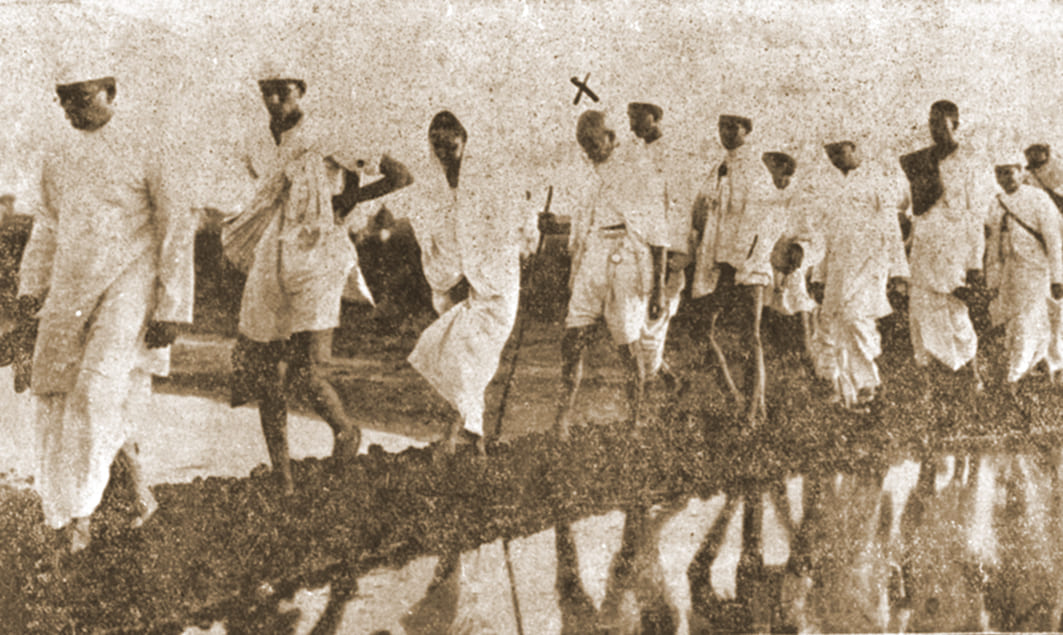
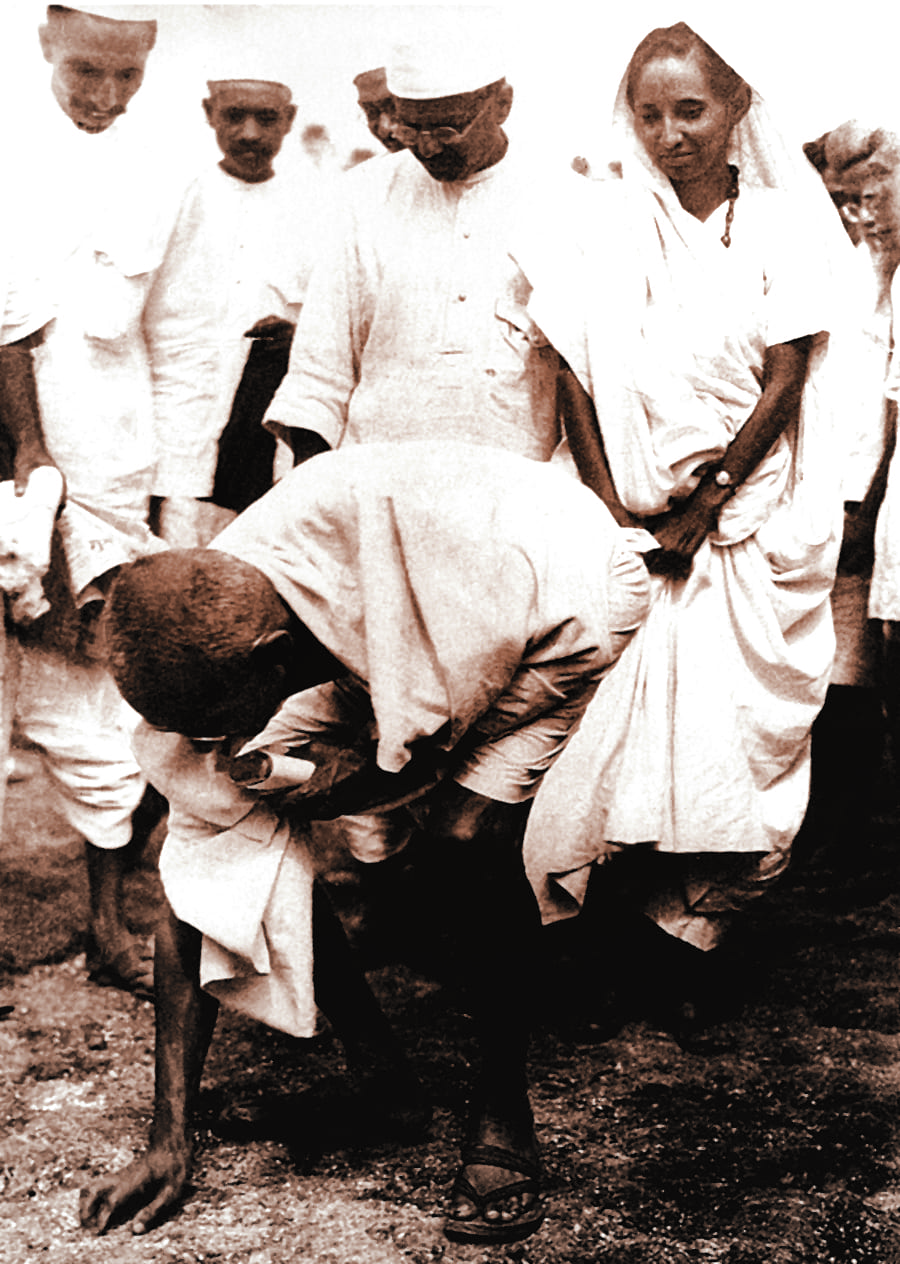
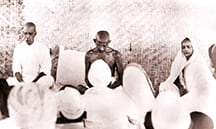
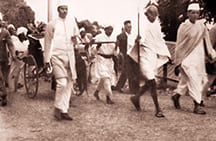
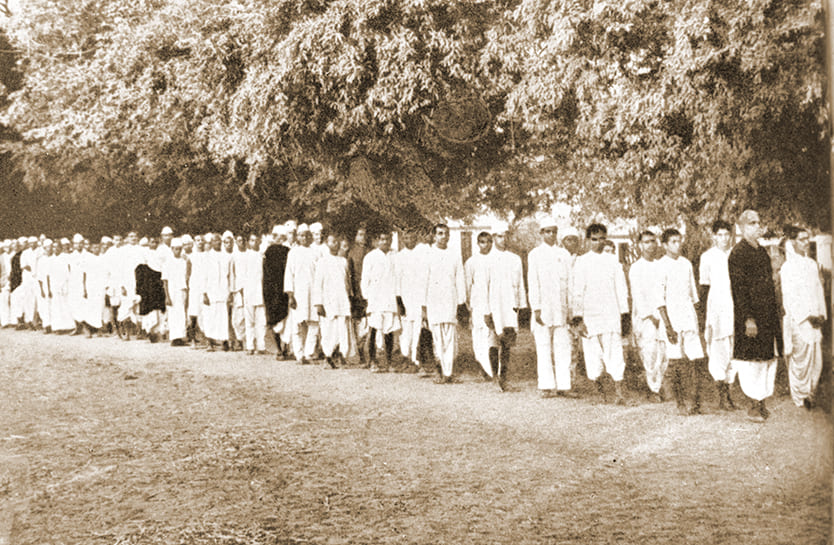
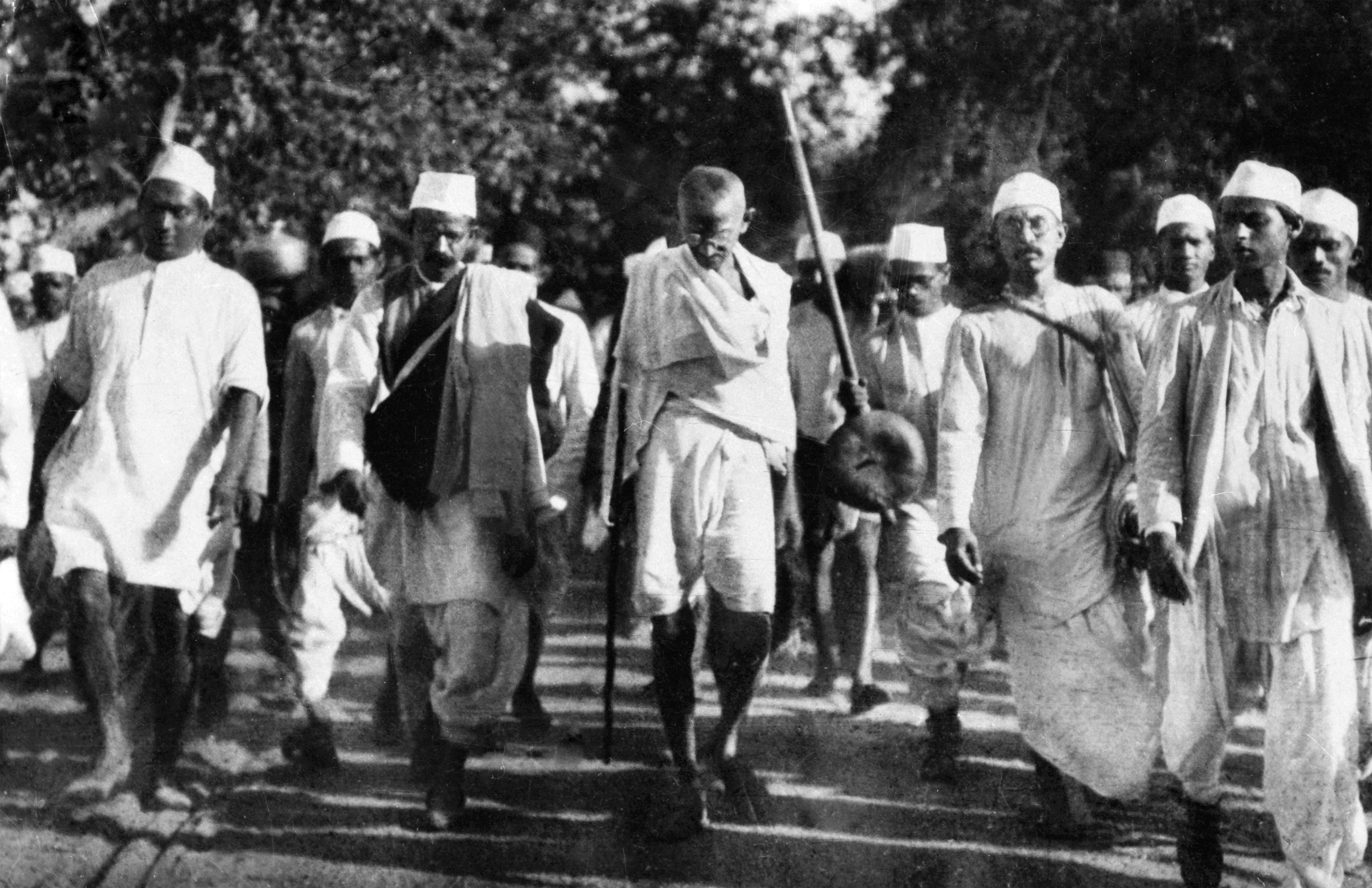
In January 1930, Gandhi wrote that he was “furiously thinking night and day”. The first step he took was to call for the celebration of an “Independence Day” on January 26. On that day, in the towns and villages of India, hundreds of thousands of people took a pledge that “it was a crime against man and God to submit to British rule.” Gandhi was encouraged by the latent enthusiasm in the country revealed by the observance of the Independence Day; he felt the country was ripe for a mass movement. He suggested the inauguration for the movement with the breach of Salt Laws. The salt tax, though relatively light in incidence, hit the poorest in the land. But salt did not quite seem to fit into the plan of a national struggle for liberation. And when Gandhi announced that he would walk, the 241 miles from his ashram in Ahmadabad to Dandi on the Arabian Sea, the first impulse of the Government, as of the Congress intellectual, was to ridicule the “kindergarten stage of political revolution”, and to laugh away the idea that the King-Emperor could be unseated by boiling sea-water in a kettle.
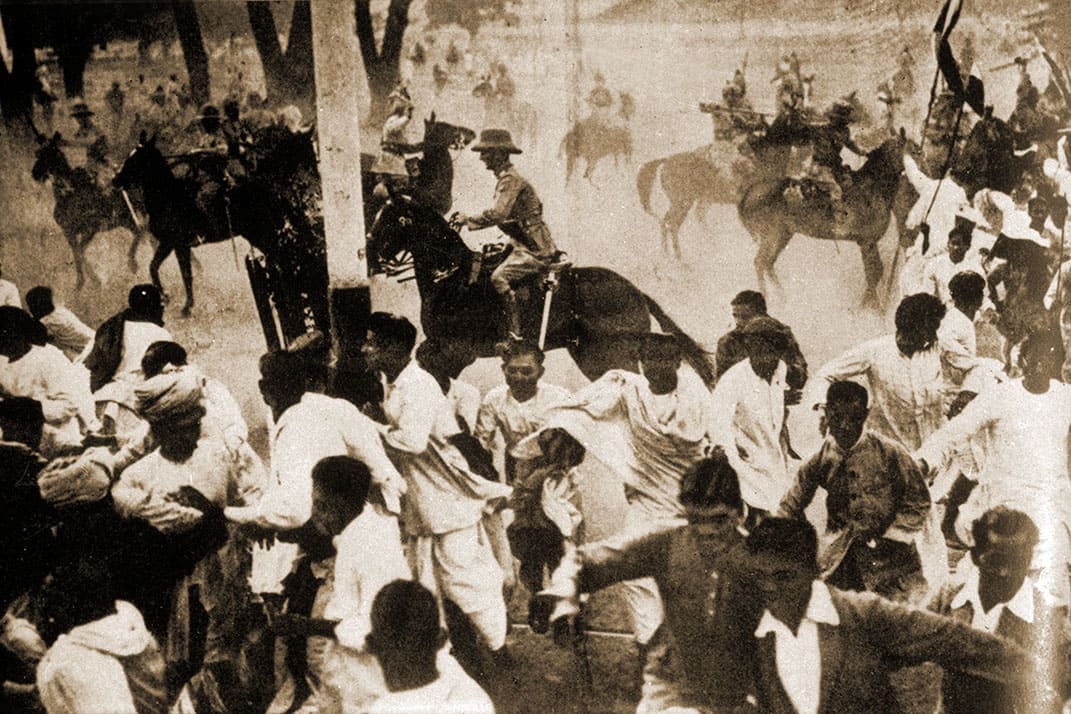
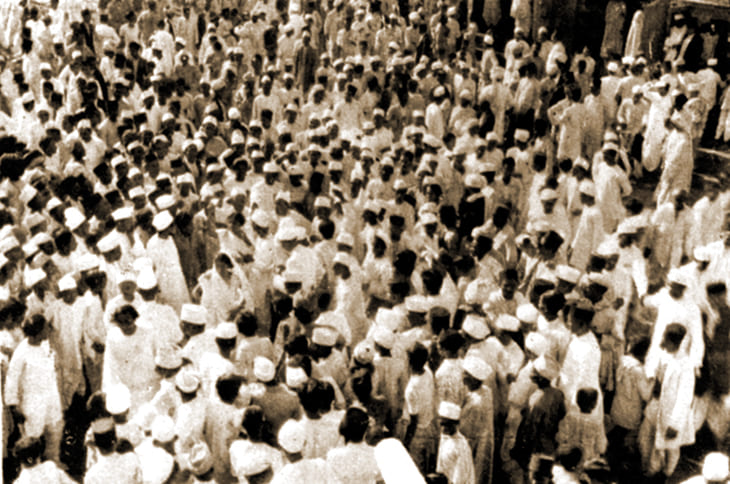
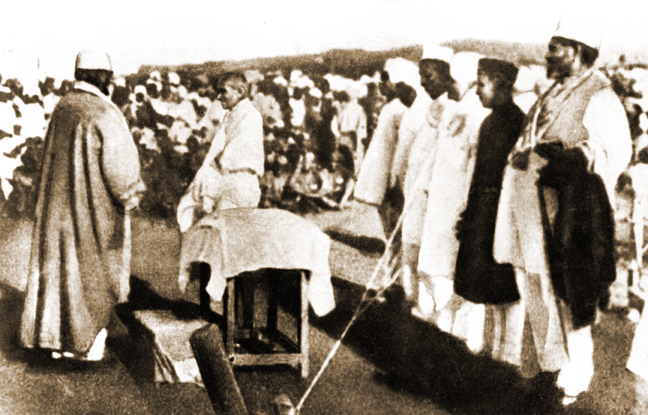
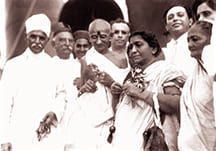
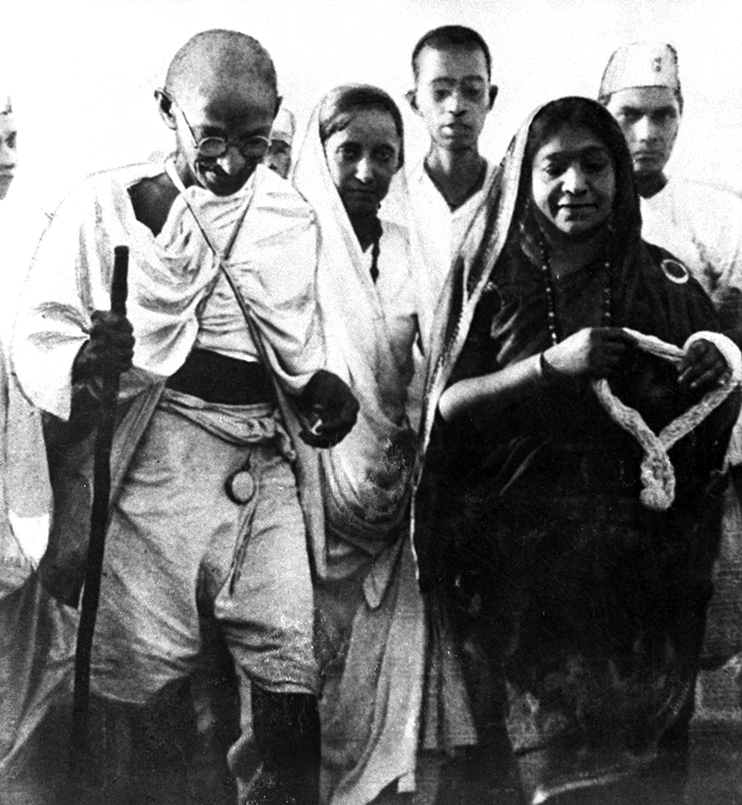
Events were to show that those who had scoffed at Salt Satyagraha and failed to see any connection between salt and swaraj (independence) had underrated Gandhi’s knack for organizing the Indian masses for action. Gandhi was arrested on May 5. Just before his arrest he had planned a more “aggressive” phase of his non-violent rebellion by raiding and taking possession of the salt depots at Dharsana. The raid took place a fortnight after Gandhi’s arrest. There were 2500 volunteers. Before they advanced, Sarojini Naidu, the poetess, led them in prayer and appealed to them to be true to Gandhi’s teaching and to abstain from violence. Round the depot, a barrier of barbed wire had been erected and a ditch dug. As the first column of volunteers advanced in silence even though scores of policemen fell on them and rained blows upon them, not one man so much as raised his arm to fend off the blows. Webb Miller, an American correspondent, who witnessed the scene, wrote: “In eighteen years of reporting in twenty two countries, I have never witnessed such harrowing scenes as at Dharsana. Sometimes the scenes were so painful that I had to turn away momentarily. One surprising feature was the discipline of volunteers. It seemed they were thoroughly imbued with Gandhi’s non-violent creed.”
The Satyagraha campaign was extended by the Congress to include breach of salt as well as forest laws, the non-payment of taxes and the boycott of foreign cloth, banks and shipping. The Government replied by issuing “ordinances” which conferred extraordinary powers on the executive authority for arrest and prosecution of Congress workers.
The Viceroy, Lord Irwin, was at this time directing the sternest repression which Indian nationalism had known, but he did not really relish the role. The British civil service and the commercial community were in favour of even harsher measures. But Premier Ramsay Mac Donald and secretary of State Benn were eager for peace. If they could secure it without weakening the position of the Labour Government; they wanted to make a success of the Round Table Conference and they knew that this body without the presence of Gandhi and the Congress could not carry much weight. In January 1931, at the closing session of the Round Table Conference, Ramsay Mac Donald went so far as to express the hope that the Congress would be represented at the next session. The Viceroy took the hint and promptly ordered the unconditional release of Gandhi and all members of the Congress Working Committee. To this gesture Gandhi responded by agreeing to meet the Viceroy.
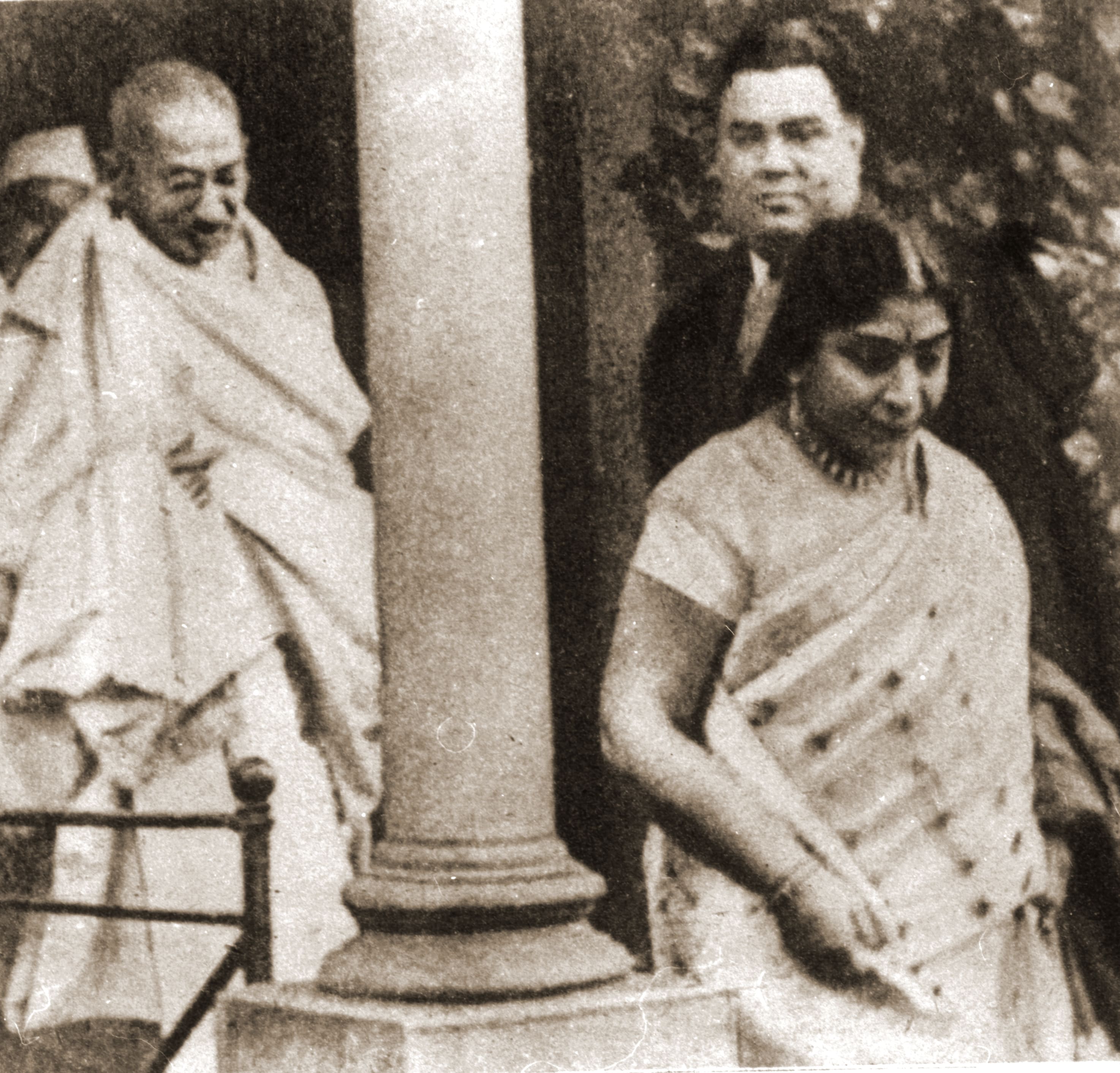
“The Two Mahatmas”—as Sarojini Naidu described Gandhi and Irwin—had eight meetings which lasted for a total of 24 hours. Gandhi was impressed by Irwin’s sincerity. The terms of the “Gandhi-Irwin Pact” fell manifestly short of those which Gandhi had prescribed as the minimum for a truce. Some of his colleagues considered the Gandhi-Irwin Pact a clever manoeuvre, and suspected that Irwin had led the Mahatma up the garden path of the Viceroy’s House. On the other hand, it is fair to record that British officials in India, and Tory politicians in England, were outraged by the idea of a pact with a party whose avowed purpose was the destruction of the British Raj. Winston Churchill publicly expressed his disgust “at the nauseating and humiliating spectacle of this one-time Inner Temple lawyer, now seditious faquir, striding half-naked up the steps of the Viceroy’s palace, there to negotiate and parley on equal terms with the representative of the King Emperor”.
Gandhi’s motives in concluding a pact with the Viceroy can be best understood in terms of his technique. The Satyagraha movements were commonly described as “struggles”, “rebellions” and “wars without violence”. Owing however, to the common connotation of these words, they seemed to lay a disproportionate emphasis on the negative aspect of the movements, namely, opposition and conflict. The object of Satyagraha was, however, not to achieve the physical elimination or moral breakdown of an adversary, but, through suffering at his hands, to initiate those psychological processes which could make it possible for minds and hearts to meet. In such a struggle a compromise with an opponent was neither heresy nor treason, but a natural and necessary step. And if it turned out that the compromise was premature and the adversary was unrepentant, there was nothing to prevent the Satyagraha from returning to non-violent battle.
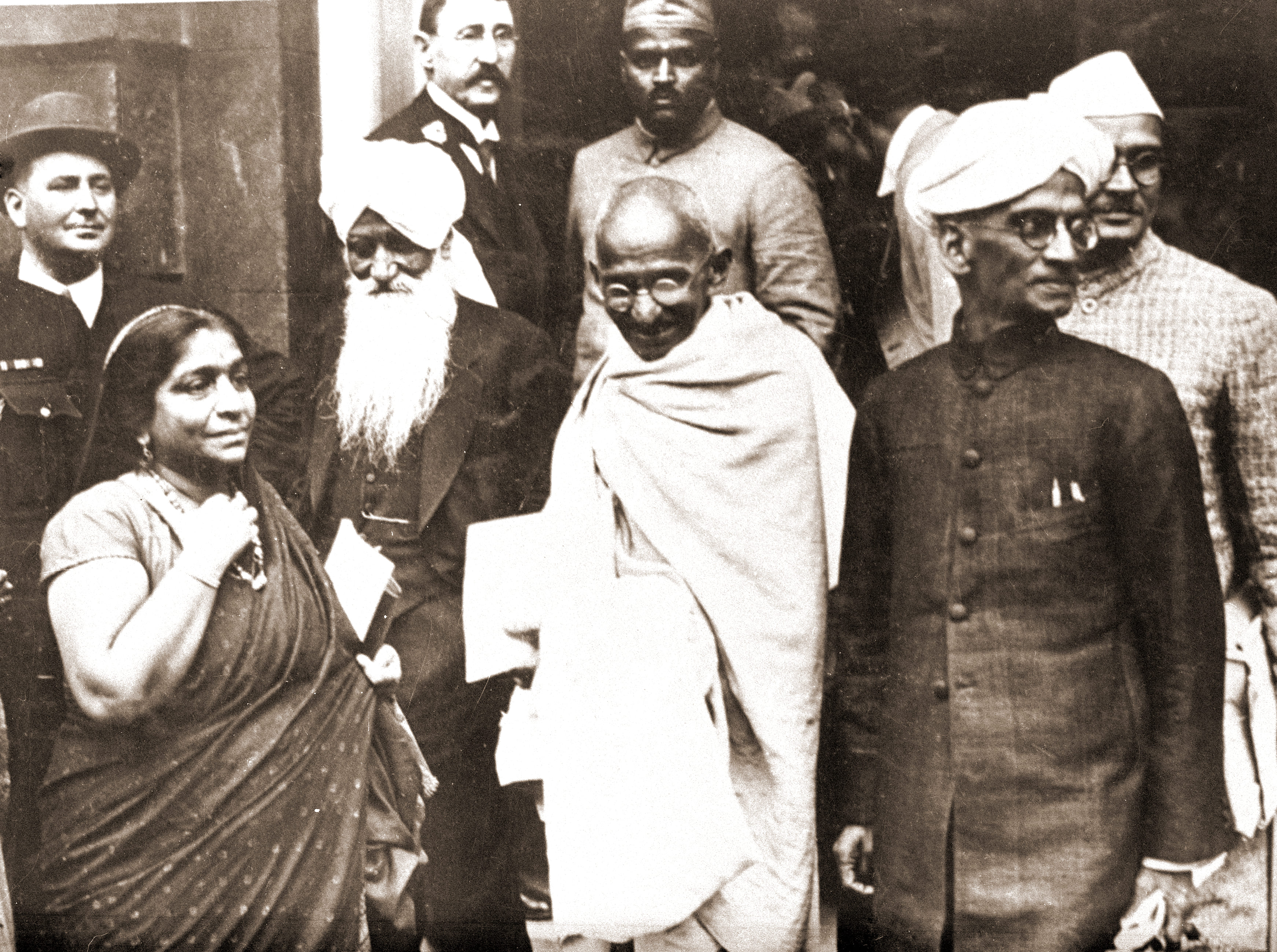
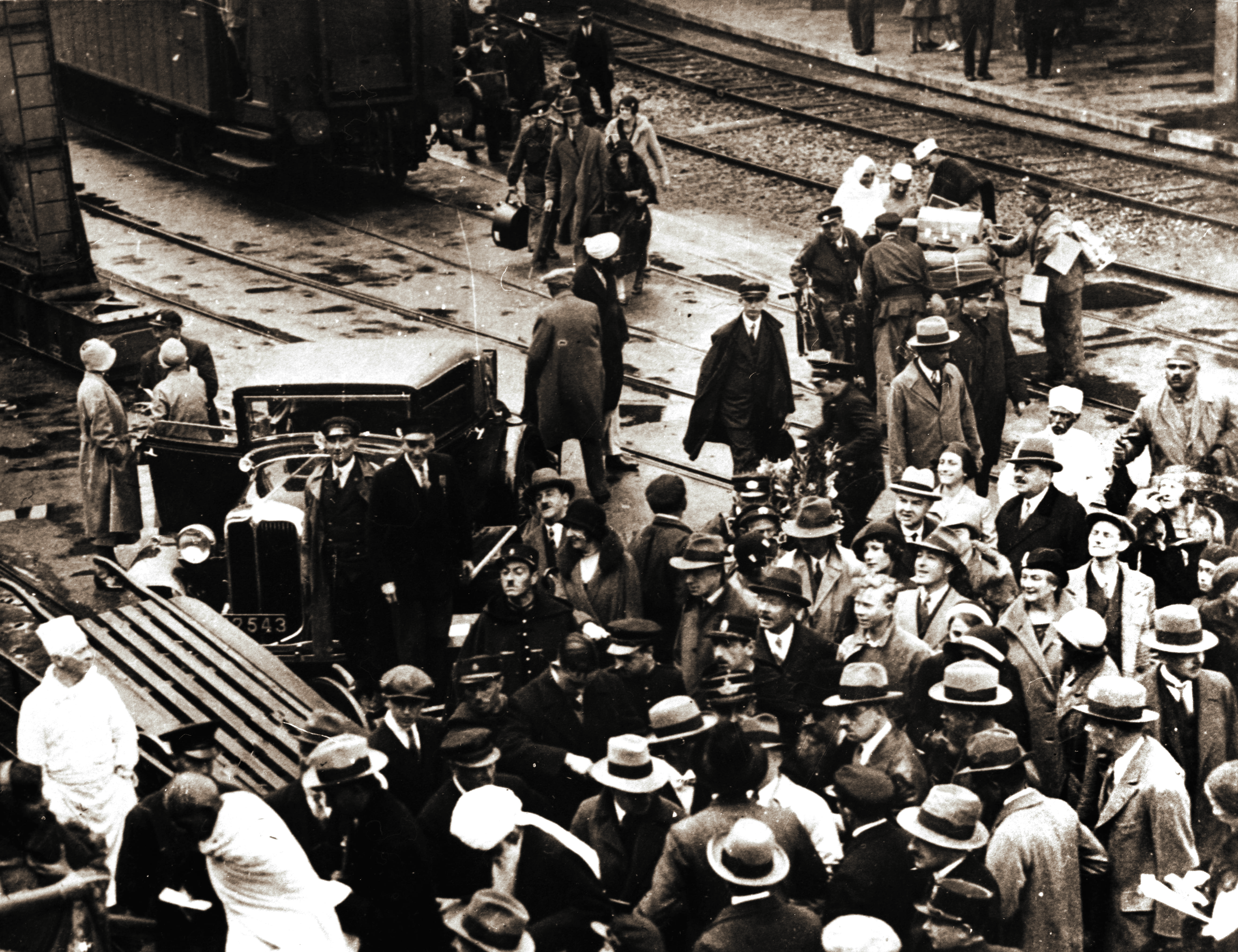
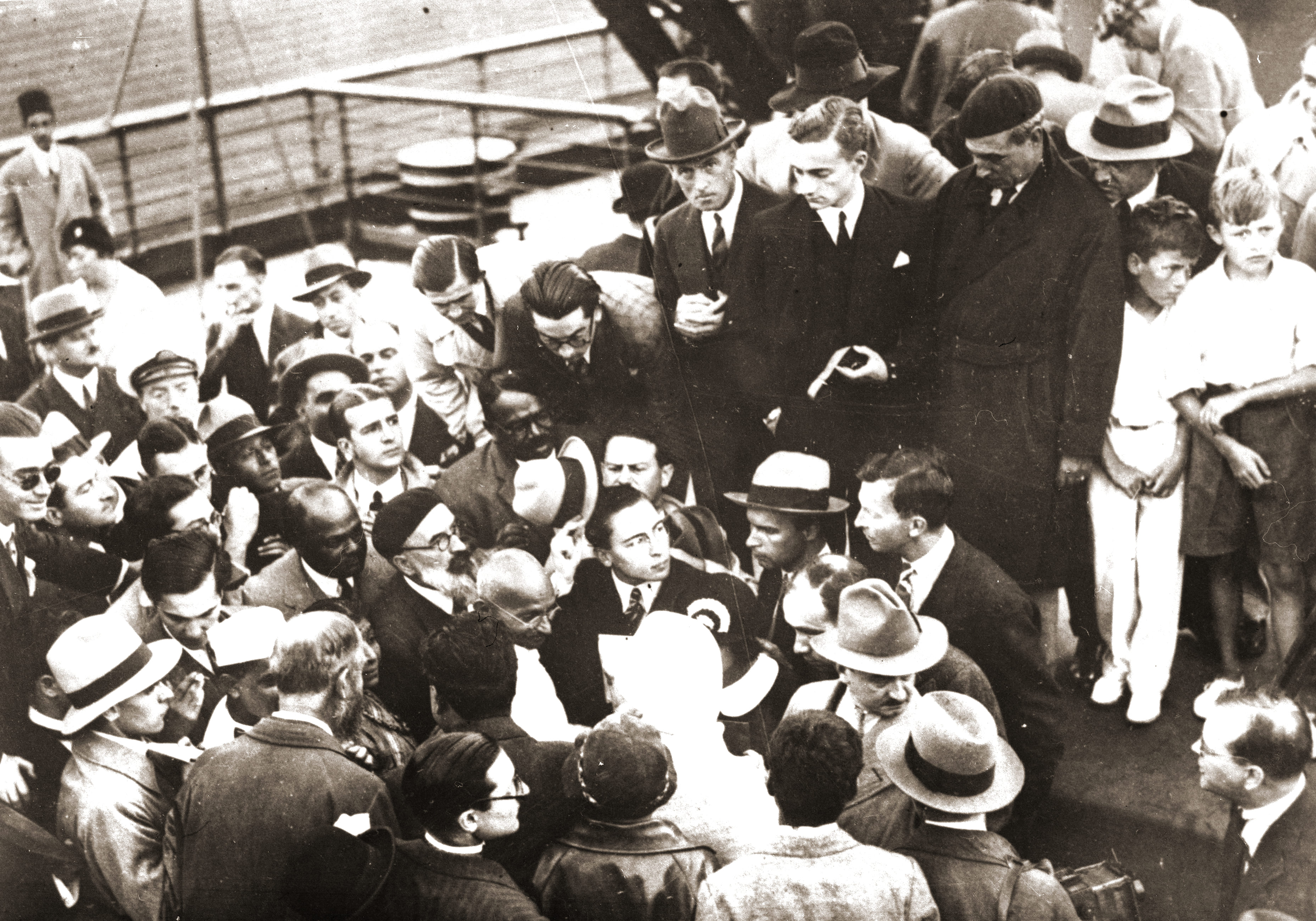
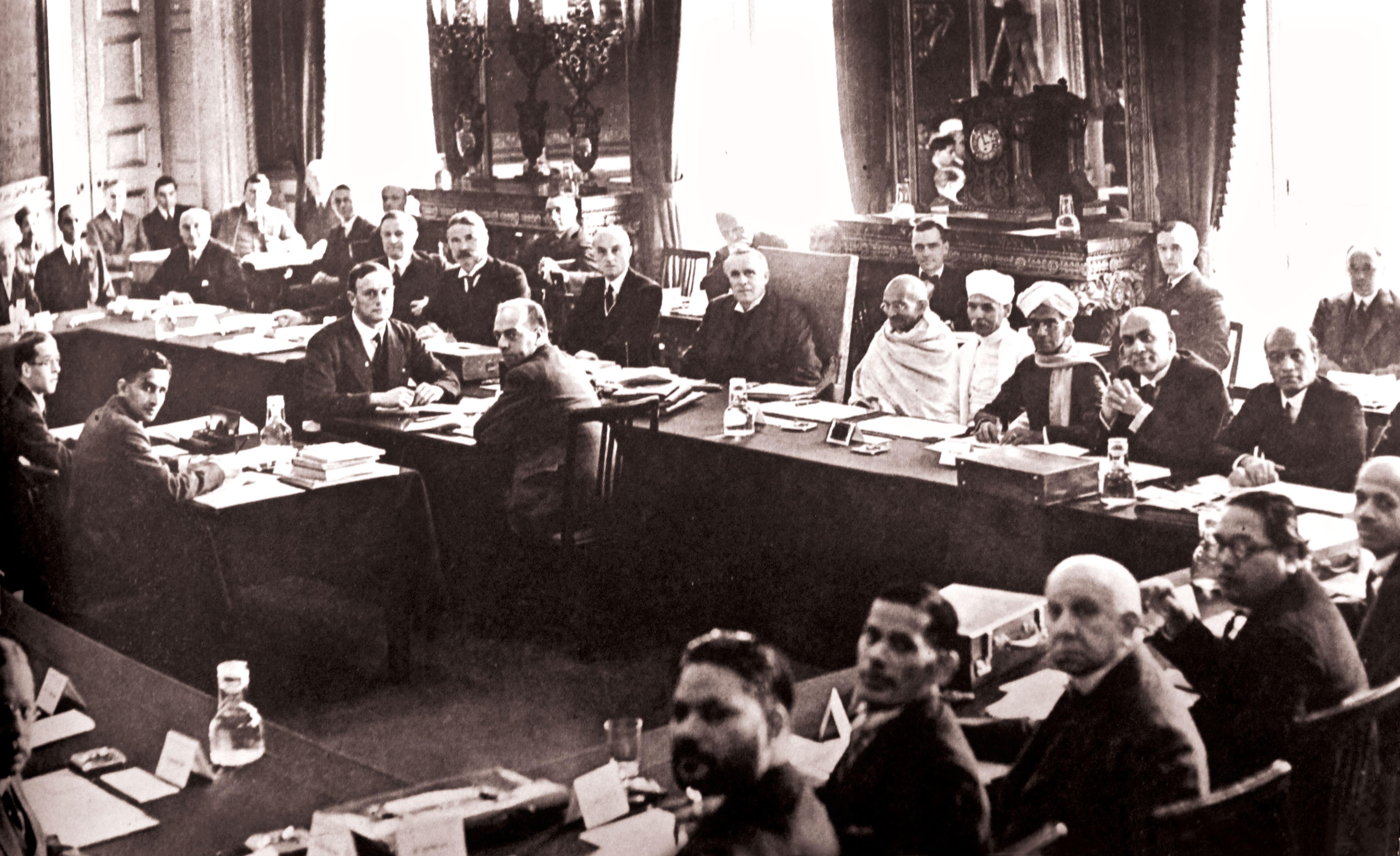
On August 29, 1932, Gandhi sailed for England in the SS Rajputana to attend the Second Round Table Conference. He went as the sole representative of the Indian National Congress. All the delegates were nominees of the British Government; they had a sprinkling of able individuals, but most of them were drawn from the princely order, the landlords, the titled gentry and the leaders of communal groups and vested interests.
What with its composition and what with its procedure, which the British Government controlled, the conference side-tracked its energies into secondary issues and particularly the communal problem. Gandhi was prepared to give a “blank cheque” to Muslims and other minorities to remove their legitimate fears, provided they were willing to press the national demand for freedom. Most of the Hindu delegates were not ready for this gesture, and the Muslim nationalists were not represented at the conference.
Gandhi pleaded for an honourable and equal partnership between Britain and India, held not by force but “by the silken cord of love". He found the odds against him. There was a financial crisis and a change of government in Britain; in the new Ministry, the Conservatives were heavily represented. The British public was preoccupied with domestic issues; for it, the financial crisis was a more urgent issue that the niceties of an Indian Constitution. Inevitably, even if imperceptibly, there was a change in emphasis, Sir Samuel Hoare, the new Secretary of State, told Gandhi that he sincerely believed that Indians were unfit for complete self-government.
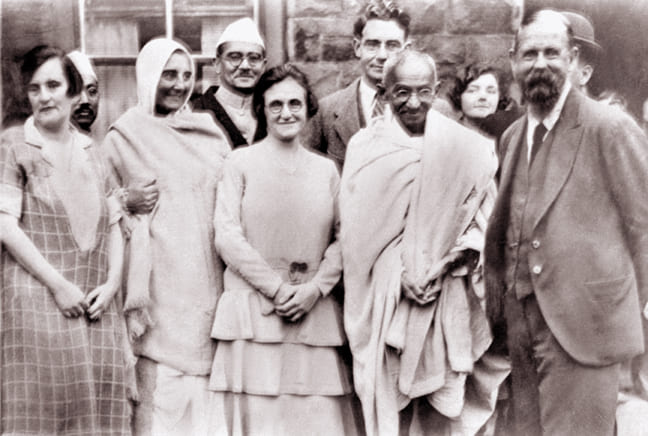
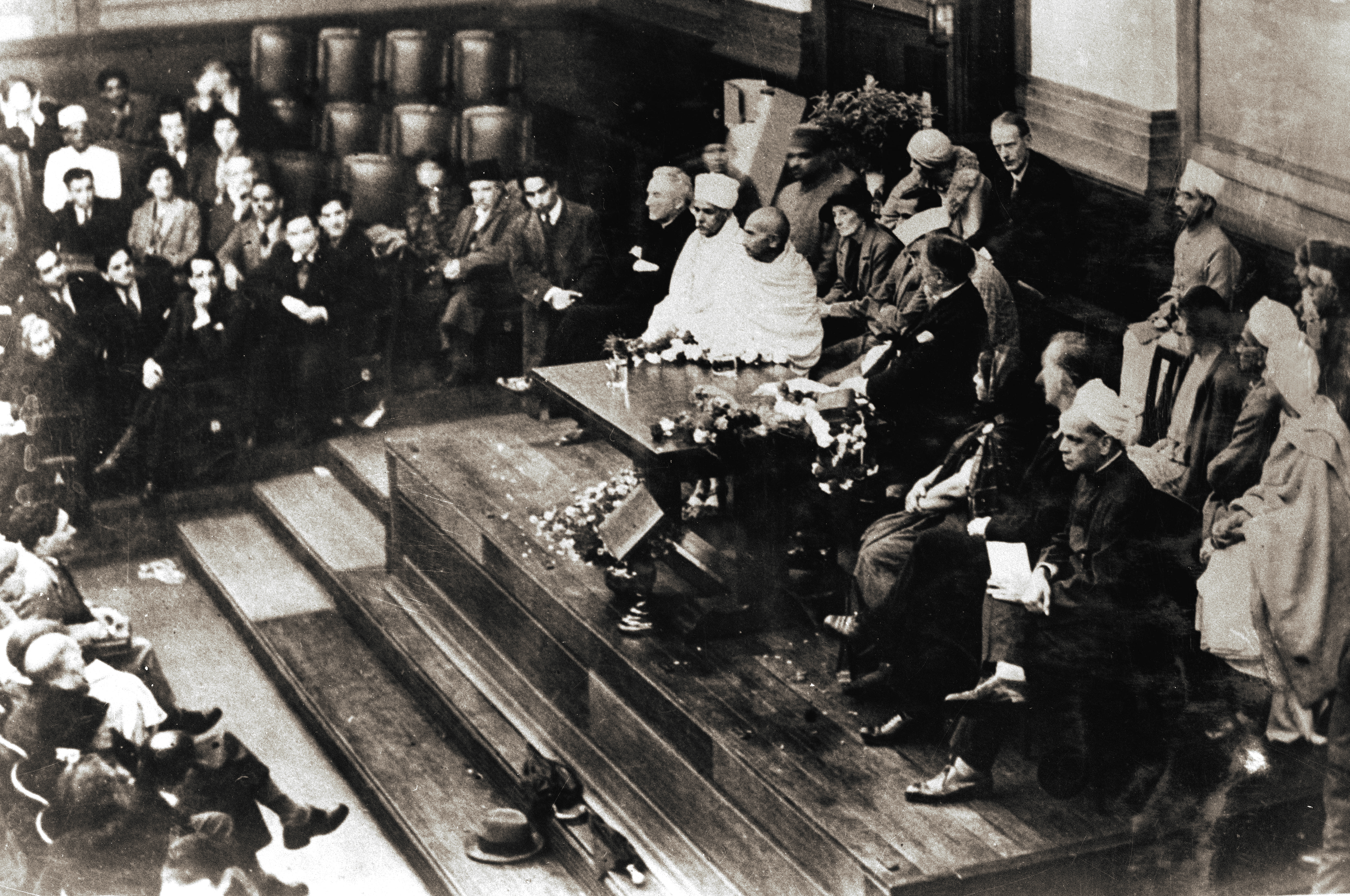
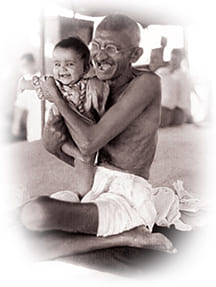
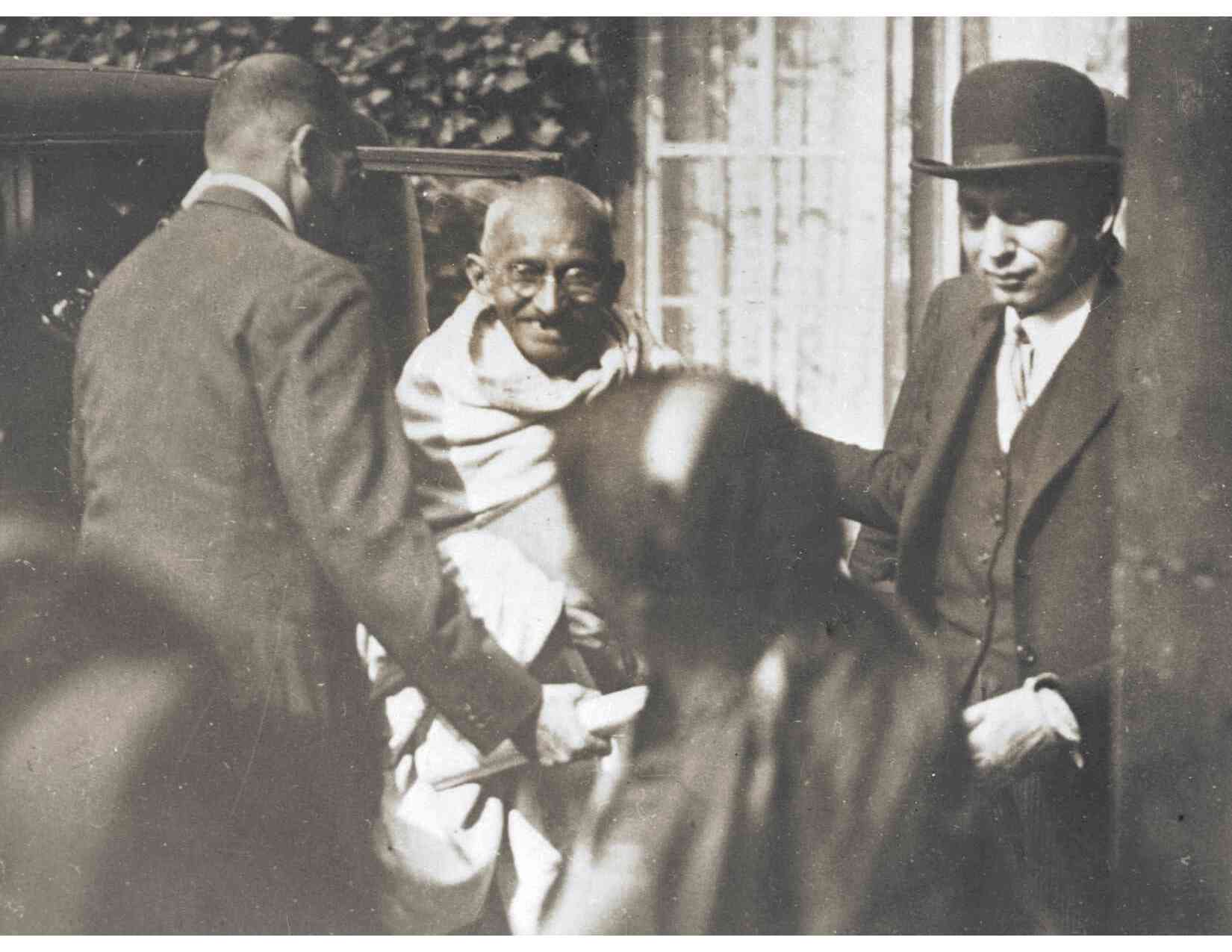
Meanwhile Gandhi was, as he put it, “doing the real round table work, getting to know the people of England”. He had accepted Muriel Lester’s invitation to stay in Kingsley Hall in the East End, in order to be “among the same sort of people to whom I have given my life”. Every morning the light appeared in his room at four for the morning prayer. He had his morning walk in the main streets of the East End; he visited his neighbours in Bow; he made friends with the children. “Uncle Gandhi” became a popular figure. He explained to the children why he had chosen to stay in the East End and why he wore his meagre dress. He advised them to return good for evil. There was an interesting sequel to this advice, when the father of a four-year-old girl told the Mahatma that he had a bone to pick with him. “And what is it?” asked Gandhi. “Well my little Jane comes every morning to me, hits me and wakes me up and says: Now, don’t you hit back, for Gandhi told us not to hit back”. On October 2, Gandhi’s birthday, the children presented him with ‘two-woolly dogs, three pink birthday candles, a tin plate, a blue pencil and some jelly sweets’—gifts which he especially treasured and took to India.
One of the most pleasant surprises of the tour was the courtesy and even affection Gandhi received from the cotton operatives of Lancashire which had been hit the hardest by the boycott of British goods in India. He listened with obvious attention and sympathy to the tale of woe of those who were jobless. Many of them saw the background of the boycott which he had sponsored, when he told them: “You have three million unemployed, but we have 200 million unemployed for half the year. Your average unemployment dole is seventy shillings. Our average income is 7s. 6d. a month”.
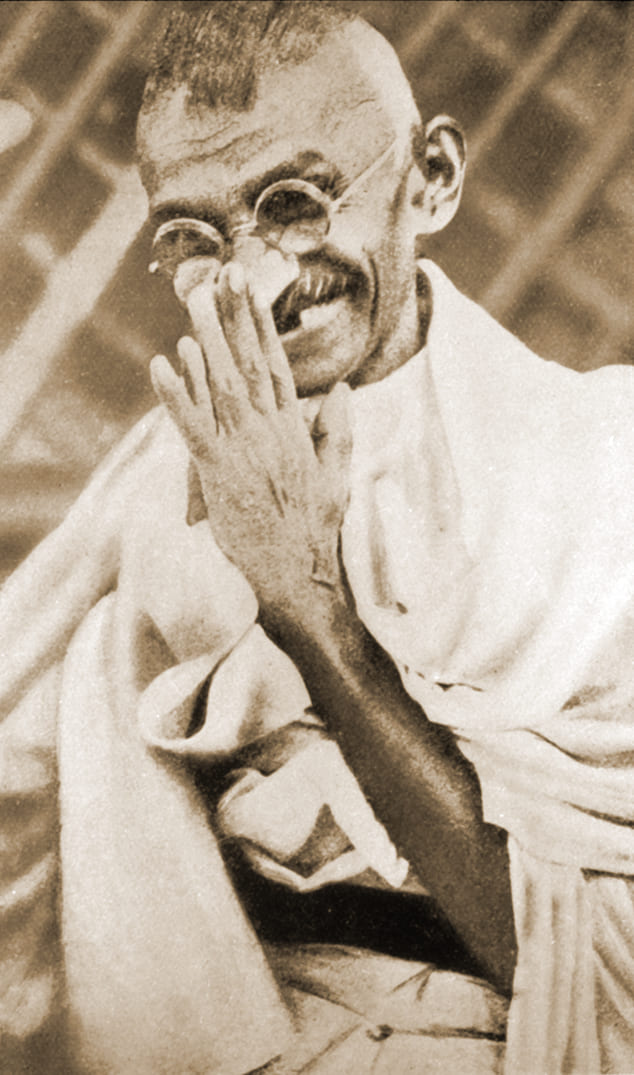
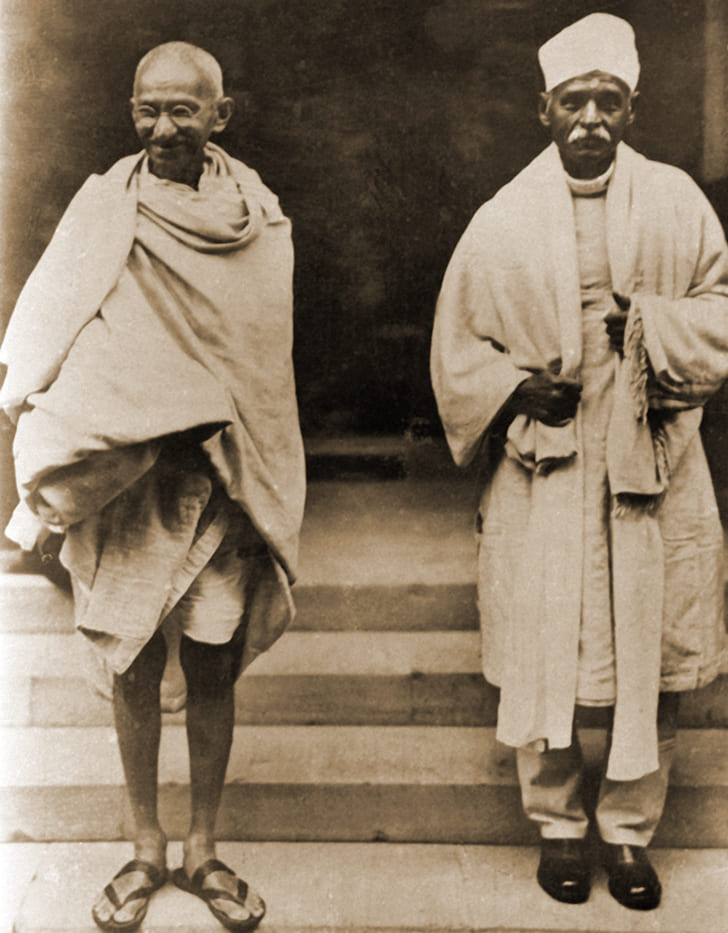
Gandhi’s homely logic and transparent sincerity left an indelible impression on some of those whom he met. They formed clearer impressions of him than the loin cloth and goat’s milk version with which the popular press regaled them. While his opinions might appear utopian or revolutionary, he could no longer be dismissed as “humbug”, the appellation with which Truth, a
newspaper had heralded his arrival in England.
Meanwhile, the news from India had been far from reassuring. The compromise which had been patched up between the Congress and the Government before Gandhi’s departure for England had virtually broken down. Gandhi was anxious to return home; he declined invitations to prolong his itinerary in Europe and to visit America, but he decided to spend a few days in Switzerland with his biographer, Romain Rolland. In Rome, where he spent a day, he walked through the Vatican galleries: in the Sistine Chapel he was spell-bound; “I saw a figure of Christ there. It was wonderful. I could not tear myself away. The tears sprang to my eyes as I gazed.”
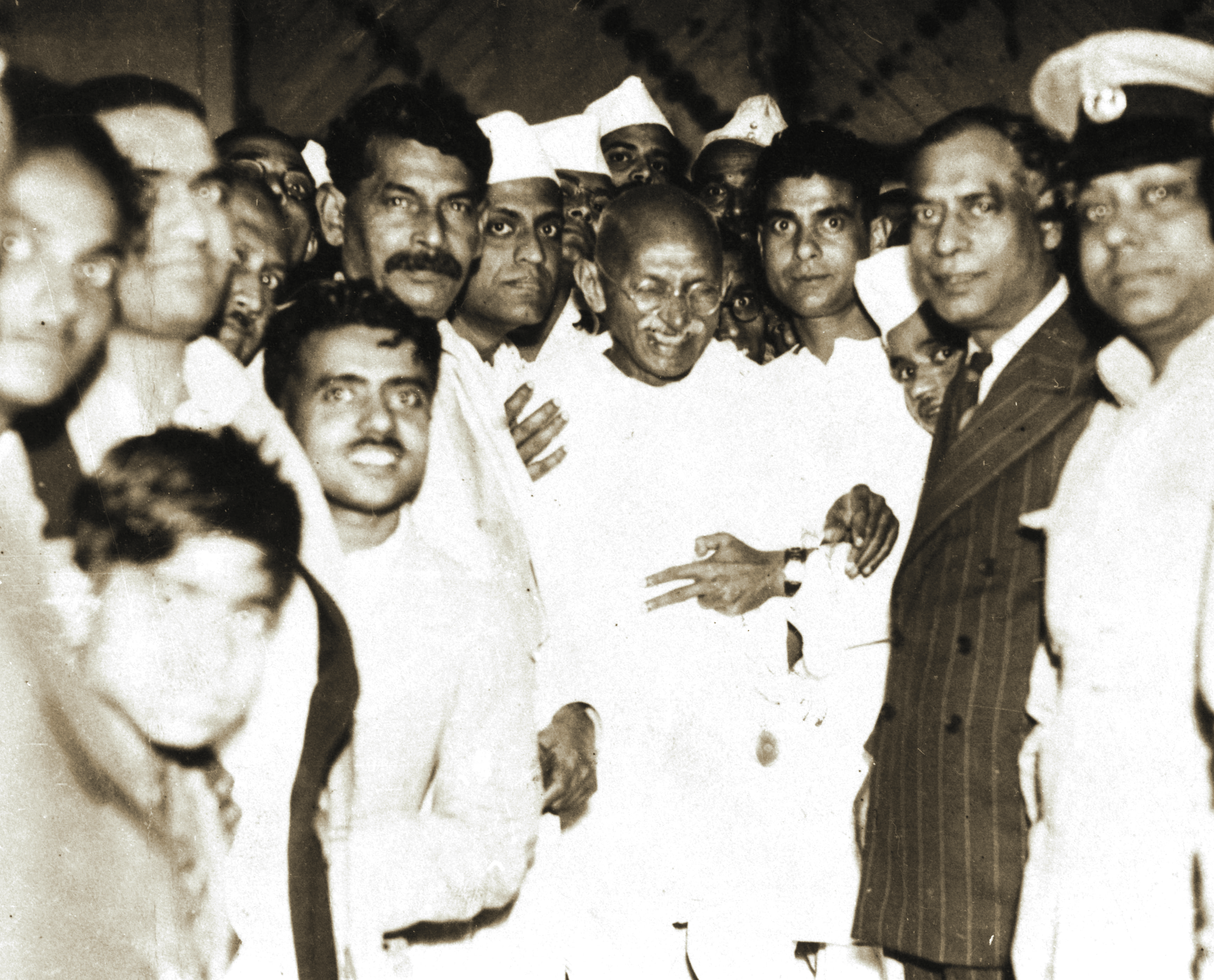
On December 28, 1931, Gandhi landed at Bombay. Within a week he was in jail and civil disobedience was resumed; the Indian National Congress was out-lawed and the Gandhi Irwin Pact had gone to pieces.
While Gandhi was on the high seas, the arrests of Jawaharlal Nehru and Abdul Ghaffar Khan, two of his ablest lieutenants, had created a crisis. Most of the British officers in India had really been unhappy at the rapprochement which Irwin had attempted with Gandhi; they won over his successor Lord Willingdon to a tougher policy towards the Mahatma. Gandhi sought an interview with the Viceroy to smooth away difficulties but was rebuffed. The Government of India was not in a conciliatory mood. Indeed it struck with lightning speed to deprive the Indian National Congress of its leaders, organization and resources. Despite the suddenness and severity of the repression, 61, 551 persons came forward and were convicted for civil disobedience in the first nine months of the movement in 1932: this figure was a little higher than that of the earlier campaign in 1930-31.