
The AI Landscape
Editorial
January, 2024
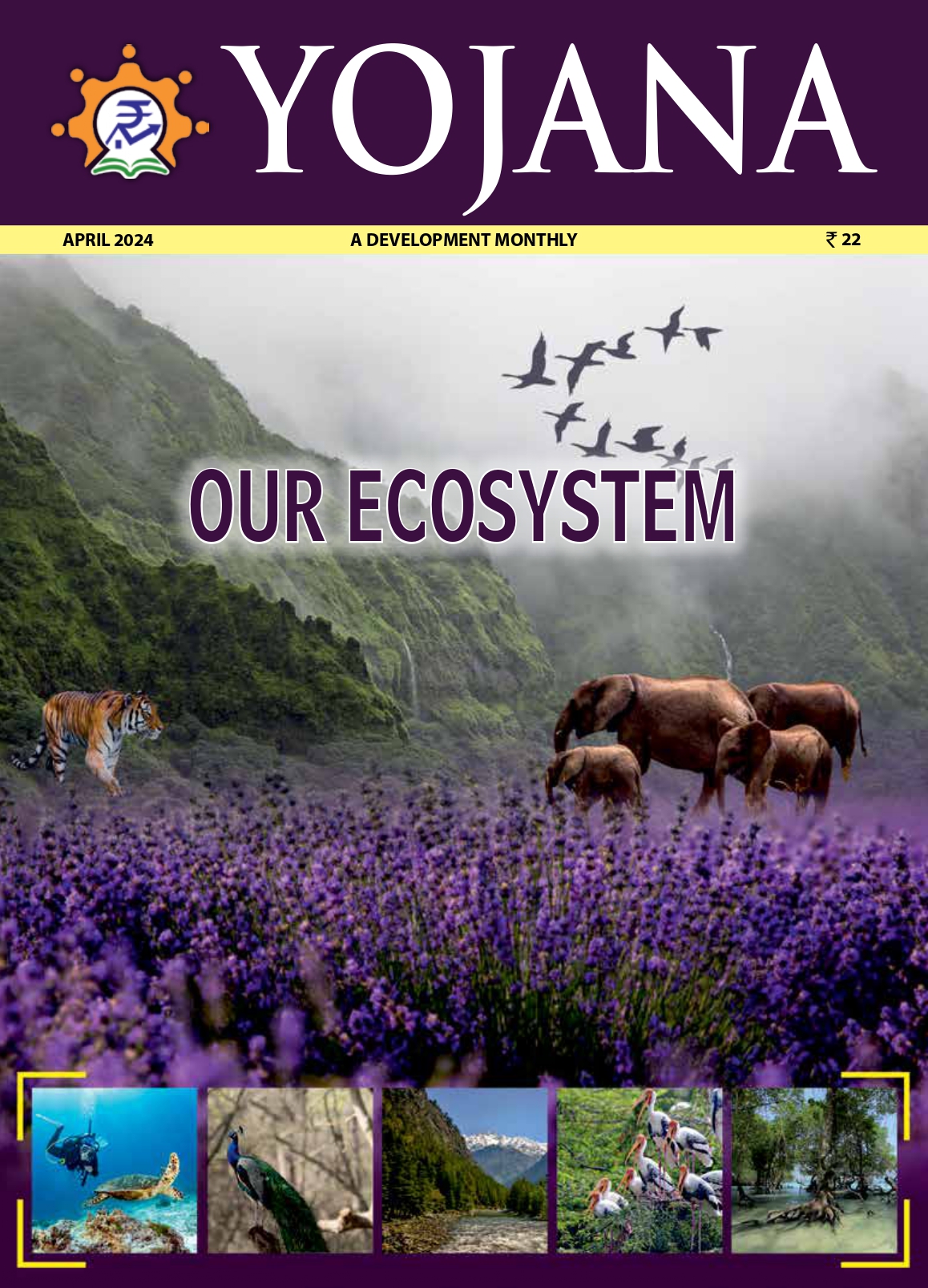
From the majestic Himalayan mountains to the expansive seacoasts; from the dense green forests of the northeast to the scorching deserts of the northwest; to various kinds of woods, marshes, islands, and oceans; India has a great diversity of natural ecosystems. With 80 Ramsar wetlands and over 40 UNESCO World Heritage sites, towering plateaus, lush river plains, and numerous large rivers, India has incredibly versatile topography and is a traveller’s delight.
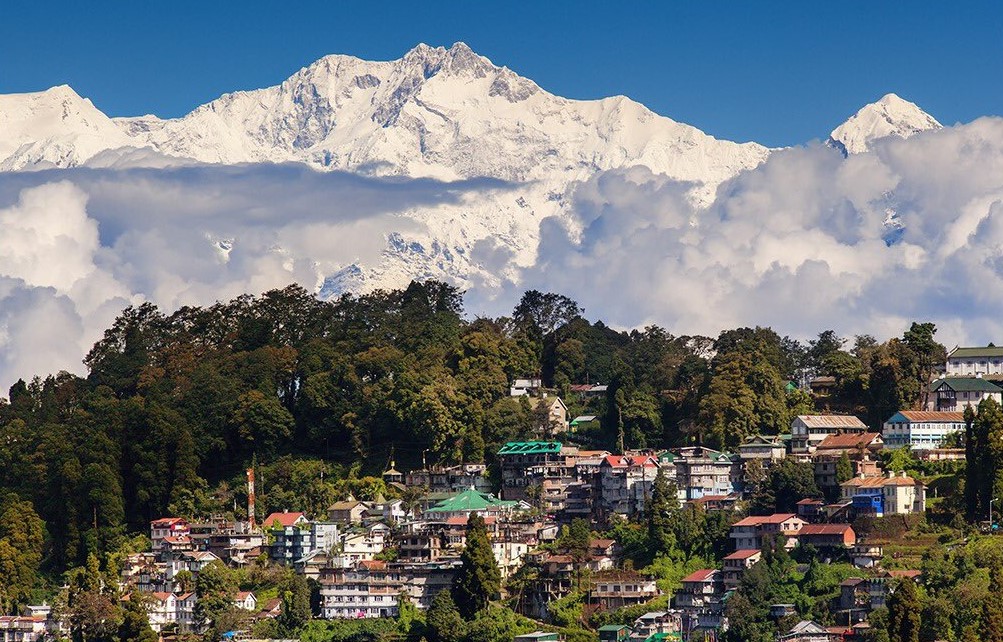
The Himalayas’ lofty valleys, diverse array of flora and fauna, and high peaks have long drawn travellers, adventurers, and spiritual seekers, which ultimately impact the country’s spiritual, artistic, and cultural fabric. Some of the world’s tallest peaks, including Mount Everest, Kanchenjunga, Nanga Parbat, and others, are found in the Great Himalayas. Even if we are in awe of their grandeur, it is important to protect and preserve this natural wonder so that future generations might likewise be enthralled by the breathtaking splendour of the Himalayas.
The largest desert in India, the Thar Desert is situated in the northwest and is distinguished by its arid terrain and shifting sand dunes. The Aravalli Range’s rain-shadow effect is what caused it to form. The Thar Desert is home to a wide range of desert-adapted wildlife, such as Indian gazelles, blackbuck antelopes, and desert foxes, despite its severe climate.
Spanning from the foothills of the Himalayas to the Thar Desert, the Indo-Gangetic Plain is a fertile alluvial plain formed by the deposition of sediments from the Himalayan Rivers. The Indian portion of the majestic Sundarban region is situated at the lowest point of the Ganga delta. The region with mangrove forests is renowned for its diverse array of wildlife, which includes several bird species, the Bengal tiger, and other endangered species like the Indian python and estuary crocodile.
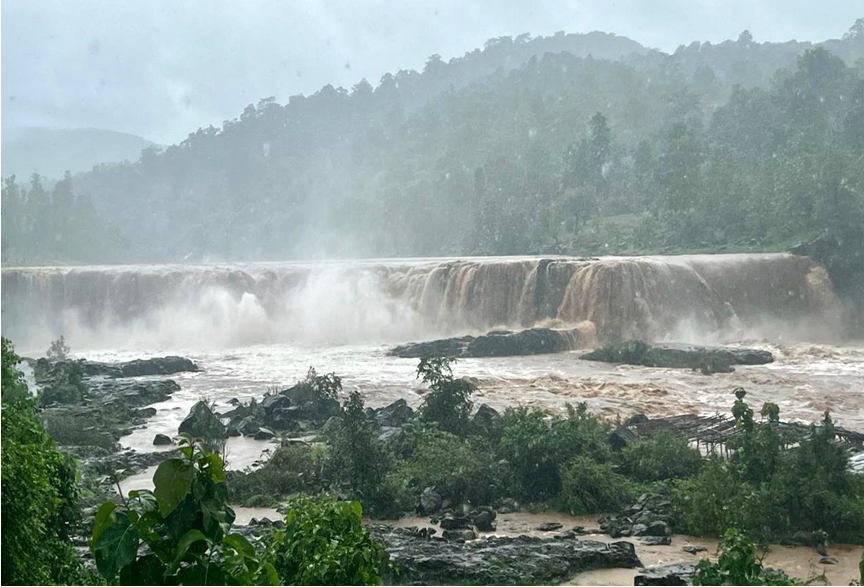
The peninsular plateau, which stretches from India’s centre to its south, covers the majority of the country’s land area. It is a vast, rough, and high region crisscrossed by many major rivers, including the Narmada, Godavari, Krishna, and Kaveri, all of which are far older than the Himalayan rivers. The Western and Eastern Ghats, renowned for their exceptional biodiversity and stunning scenery, border the peninsular plateau and run parallel to India’s western and eastern coasts. The Deccan Plateau is a large elevated region that spans a large chunk of central and southern India. It is distinguished by its fertile plains, volcanic structures, and flat-topped hills. The Gulf of Mannar, the Andaman and Nicobar Islands, and coral reefs themselves are hotspots for biodiversity that are home to an incredible array of marine life, including sea turtles, colourful fish, and coral polyps.
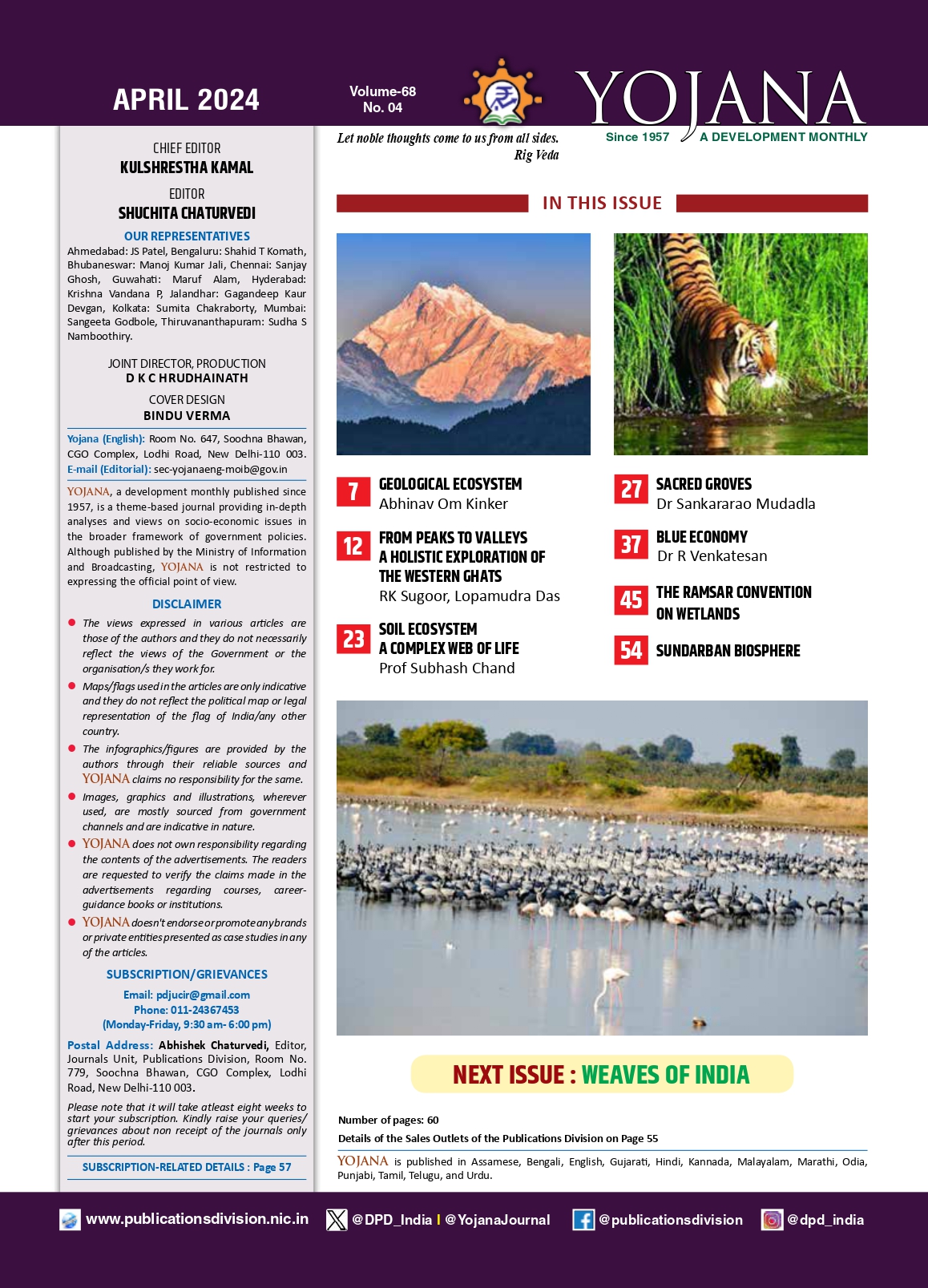
India’s geological diversity is the foundation of its remarkable ecological richness. Ecosystem conservation and human well-being are closely interlinked. Ecosystems’ long-term resilience and health is paramount for future generations because they uphold the values of sustainability, conservation, and respect for the natural world. The need to comprehend and protect our ecosystems is greater than ever as we work through the challenges of the 21st century. In this issue of Yojana, we delve into the diversity, resilience, and pressing need for conservation of ecosystem. Hope the insights from this issue will not only help our readers to explore the rich tapestry of India’s ecosystem but also remind them of our collective responsibility to nurture and sustain the ecosystems that sustain us.
 FROM PREVIOUS ISSUES